


Securing your Aluminum Pool Fence Before the Winter: A Practical Guide
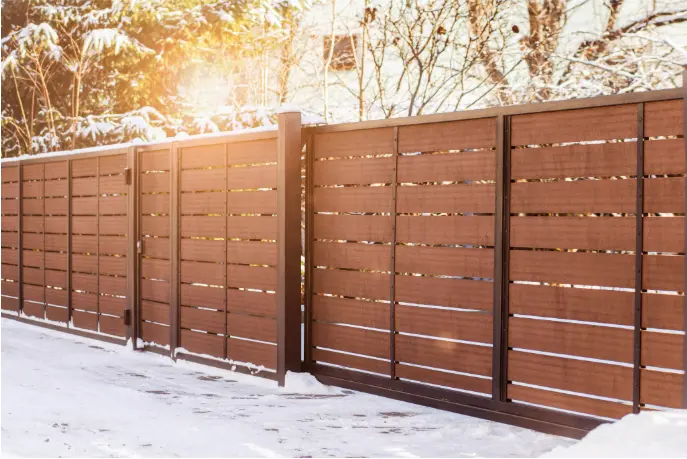
As winter approaches, homeowners across Montreal and the surrounding areas are preparing their outdoor spaces for the first snowfall. While putting up a car shelter, pruning the garden, and winterizing the pool are all seasonal priorities, it’s equally important to ensure your aluminum pool fence and pool gates remain secure, functional, and ready for snow and freeze-thaw conditions.
The 20-Point Practical Checklist for Aluminum Fences and Aluminum Gates Around Your Outdoor Pool
Even when a pool is closed for the season, its enclosure must continue to restrict access. Properly functioning aluminum gates and fences help reduce the risk of accidental access, particularly by young children, and should be checked for damage or defects that could compromise their effectiveness. Winter conditions can also expose problems with posts, gate hardware, drainage, and ground stability that you should anticipate and repair before they cause issues.To help prepare your aluminum pool fence and pool gate for a Montreal or Quebec winter, follow Mondi Aluminum‘s practical 20-point inspection checklist.STEP 1: Verifying Structure and Enclosure Integrity
Once your pool is drained, covered, and winterized, it’s time to turn your attention to the aluminum fences and aluminum gates surrounding it.Perform a close visual inspection, paying particular attention to the following areas:- Posts: Check whether any of your aluminum fence posts are leaning, loose, or moving, or show signs of ground displacement. These issues may indicate an underlying problem that could worsen with seasonal freezing and thawing. Have unstable posts assessed by a qualified professional, such as the team at Mondi Aluminum, to determine whether repairs are needed.
- Bases and Foundations: Look for visible cracks, lifting, or exposed anchors around fence-post bases and gate supports. Movement or deterioration in these areas can affect structural stability and prevent a gate from closing properly. If you notice any of these issues, arrange a professional assessment before attempting repairs.
- Panel Connections: Inspect the brackets and fixings on your aluminum pool fence for looseness, missing parts, or separation. Damaged or unstable connections may compromise the enclosure’s integrity. Have significant defects assessed and address necessary repairs before winter conditions make access more difficult.
- Rails, Pickets, and Welds: Inspect your custom aluminum fence for bent or broken rails, damaged or detached pickets, and cracked or separated welds. Even components that appear secure can develop defects over time. If you identify damage that could weaken the enclosure, seek professional advice on the appropriate repairs.
- Ground Clearance and Openings: Look for new gaps between the ground and the bottom of the fence caused by settlement, erosion, or digging by pests and wildlife. These openings may compromise the enclosure’s effectiveness. Check applicable provincial and municipal requirements, and have significant gaps assessed and addressed as necessary.
STEP 2: Secure Gate Operation and Access Control
Quebec’s residential pool safety rules include requirements for pool enclosures and gates, including self-closing and self-latching mechanisms where applicable. Before winter arrives, check your aluminum pool fence and gate to ensure they continue to restrict access safely throughout the off-season.Even durable, low-maintenance aluminum fences and gates need periodic inspection. Pay particular attention to the following areas:- Gate Alignment: Check for sagging, uneven gaps, or contact with the ground that prevents the gate from closing fully. Misalignment can interfere with proper closure and latch engagement. If your gate does not operate as intended, have the cause assessed and arrange the necessary repairs.
- Self-Closing Action: Where required, a pool gate must close on its own. Test your aluminum gates from several opening positions, following the manufacturer’s instructions. Allow the gate to close without assistance and check that it operates consistently. If it fails to close independently, arrange prompt assessment and repair before relying on the enclosure to restrict access.
- Automatic Latch Engagement: A self-closing gate must also latch securely where required. After each test, verify that the latch engages and holds the gate closed. If the latch fails to catch consistently, have the mechanism assessed and repaired as necessary.
- Hinges and Latch Condition: Inspect the gate’s hinges and latch for loose parts, wear, sticking, or corrosion. Damaged or poorly functioning hardware can interfere with reliable closure. Consult the manufacturer or a qualified installer about compatible replacement parts or servicing, as needed.
- Latch Access and Shortcuts: Pool enclosures are intended to restrict unauthorized access, particularly by young children. Check that the latch is positioned and operated in accordance with applicable provincial and municipal requirements. Remove props, ties, or other objects that prevent the gate from closing and latching securely. If you’re unsure whether the latch arrangement meets current requirements, consult the applicable regulations or a qualified professional.
STEP 3: Evaluate the Finish on Hardware and Manage Water Infiltration
Aluminum is a highly durable metal, but it is by no means indestructible. Prolonged exposure to moisture, pool chemicals, and harsh weather conditions can contribute to deterioration over time, particularly in Montreal’s freeze-thaw climate. Salt and chlorine exposure may also affect the finish and contribute to corrosion under certain conditions.Before you close your pool gate for the season or prepare your custom aluminum fence for winter, check the following:- Damage to the Finish: Inspect your aluminum pool fence and gate for chips, scratches, or flaking on the surface, then ask the manufacturer about approved touch-ups.
- Deposits and Corrosion Signs: Look for white deposits or stains on aluminum fences and their accompanying metal parts. These may be caused by aluminum oxidation, hard-water mineral deposits, or corrosion affecting other metals. Note unusual deposits or deterioration and seek advice if you’re unsure of the cause.
- Cleaning: Check your aluminum pool fence and gates for dirt and salt residue. Clean them using manufacturer-approved methods before freezing conditions arrive. Regular cleaning helps preserve aluminum gates and fences and reduces the buildup of substances that may contribute to corrosion.
- Check for Missing or Damaged Caps and Designed Drainage Openings: Many aluminum fences, particularly a custom aluminum fence, have caps on their pickets or spires that can go missing over time. Some aluminum gates and fences also contain built-in drainage holes to help excess water escape. Identify missing caps and blocked outlets, replacing or clearing them as appropriate and in accordance with the manufacturer’s instructions. Whatever you do, do not drill new drainage holes! Follow the product specifications and original design to avoid future problems!
- Ground Drainage: Examine the area around your aluminum gates and posts for pooling water, erosion, or signs of repeated freezing. Persistent water accumulation can contribute to soil movement during freeze-thaw cycles, potentially causing fences and gates to shift. If pooling or movement is evident, arrange an assessment to determine whether corrective work is needed.
STEP 4: Winterization
Once your aluminum pool fence has been thoroughly inspected, cleaned, and repaired as needed, you can turn your attention to the immediate surroundings.Pay close attention to the following:- Climbable Objects: Move furniture, planters, and stored equipment away from your fence and gates. These objects can provide footholds that make it easier for children or others to climb over the enclosure, compromising its effectiveness.
- Vegetation: Clear branches and overgrowth that extend through your fencing or obstruct gate closure. Vegetation can interfere with gate operation and, in some cases, damage your aluminum pool fence. Keeping the surrounding area clear also helps prevent objects from being used to climb over the enclosure.
- Snow Storage and Gate Clearance: Plan snow removal to avoid banking snow against your fence or blocking the gate. Accumulated snow can obstruct access and may place additional pressure on fence panels, while snowbanks near the enclosure can also provide a foothold for climbing.
- Covers and Stored Accessories: Ensure that covers, straps, and stored pool equipment do not pull on fence panels or obstruct the gate. Secure or relocate items as needed to prevent interference with the enclosure.
- Record and Recheck: Photograph any defects, arrange follow-up repairs, and repeat your aluminum pool fence and gate checks after storms, icing, or thaw-related movement. Regular checks can help you identify new problems before they worsen.