


Safety Practices in Aluminum Manufacturing: Protecting Workers and Environment
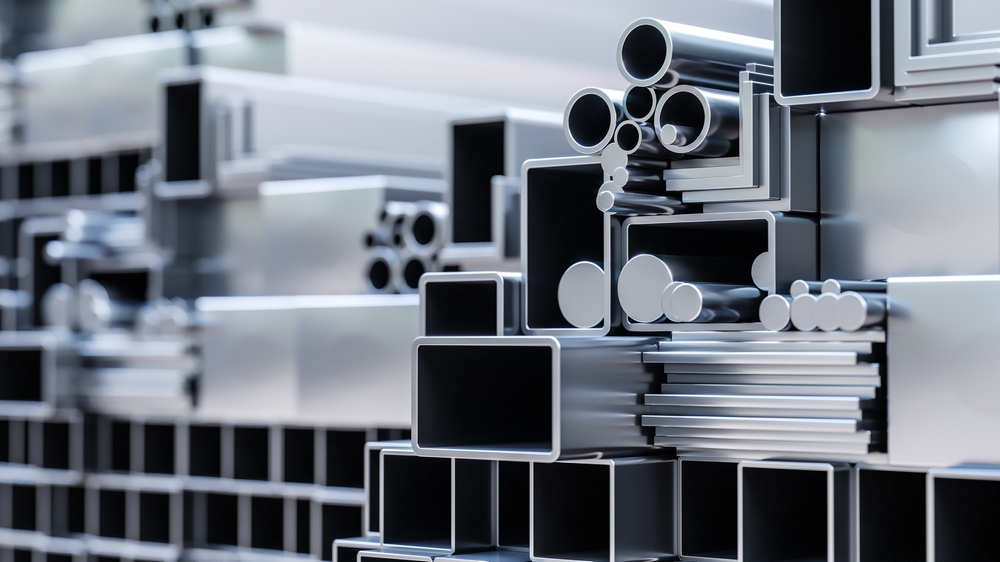
For those who have used aluminum products in construction projects, admiring their sturdy construction, corrosion-resistant properties, and aesthetic appeal, it may seem like they are easy and hassle-free to manufacture. Obviously, that is not the case. Manufacturing aluminum products such as fencing, staircases, roofing materials and more is an intricate and painstakingly detailed process fraught with many hazards for aluminum workers.
To ensure maximum security in the field, companies in the aluminum industry apply stringent training, operational, and emergency rules and procedures to their day-to-day activities. To fully appreciate the functional beauty aluminum products provide, knowledge of safety in aluminum manufacturing is a must!
Risks and Hazards in Aluminum Manufacturing
Multiple hazards and risks involved in aluminum manufacturing are expected, especially when you consider the nature of the work. Laborious physical processes aside, the use of volatile chemicals and heavy machinery increases the dangers and risks to aluminum workers, to say nothing of potential accidents.
For example, welding fumes, metal dust, and chemical solvents can pose significant health risks, especially if breathed in directly or when in contact with skin. Heavy machinery (with many rotating and grinding parts), as well as heavy loads with sharp points also pose a risk, especially in the case of an incident of falling.
The threat of fire is always a hazard, as is the continued wear and tear on the body through strenuous physical labor. To manage and minimize these dangers, safety in aluminum manufacturing requires extensive training, assiduous risk management planning, and impeccable worksite organization and maintenance.
Ensuring Safety in Aluminum Manufacturing
There are several methods enterprises in the aluminum industry employ to ensure safety in aluminum manufacturing:
Training
Safety in aluminum manufacturing begins with extensive training and education in the proper use of protective equipment, the handling and maintenance of sensitive machinery, and safe work practices and procedures.
Knowing the proper way to use PPE, as well as how to handle portable and stationary tools, machines, and equipment, goes a long way to preventing accidents and ensuring safety. Also, and perhaps most importantly, being intimately familiar with safety procedures, emergency protocols, and risk-averse practices on the work site can help safeguard on-site workers exponentially.
Risk Management Mitigation
A major element of safety in aluminum manufacturing is knowing where you are most vulnerable in your operations and establishing procedures to mitigate against any potentially harmful factors. This is what is more commonly known as a Risk Management Assessment (RMA).
RMAs in the aluminum industry seek to ensure work environments are safe by accounting for the hazardous nature of the materials, equipment, and conditions within which workers operate, as well as where they are most prone to encounter hazards and risks. Creating and refining procedures for all RMA operations and emergency situations is essential to maintaining a safe working environment in the aluminum industry.
On-Site Maintenance and Organization
Keeping a well-maintained and organized workspace is another important step in ensuring safety in aluminum manufacturing. Cleanliness and tidiness are the first order of business, as well as making sure hazardous materials are disposed of and intricate tools are stored properly.
Regular maintenance checks and mechanical upkeep of tools, machinery, equipment, and devices are also necessary, as is a focus and cognizance of safety plans and procedures to fit all emergencies.
Through all these safety precautions and considerations, enterprises in the aluminum industry can construct the items you need and love for your construction projects!
For more information on safety in aluminum manufacturing or to inquire about aluminum goods and services, contact Mondi Aluminum today.