


A Difficult Phase For The European Aluminium Industry
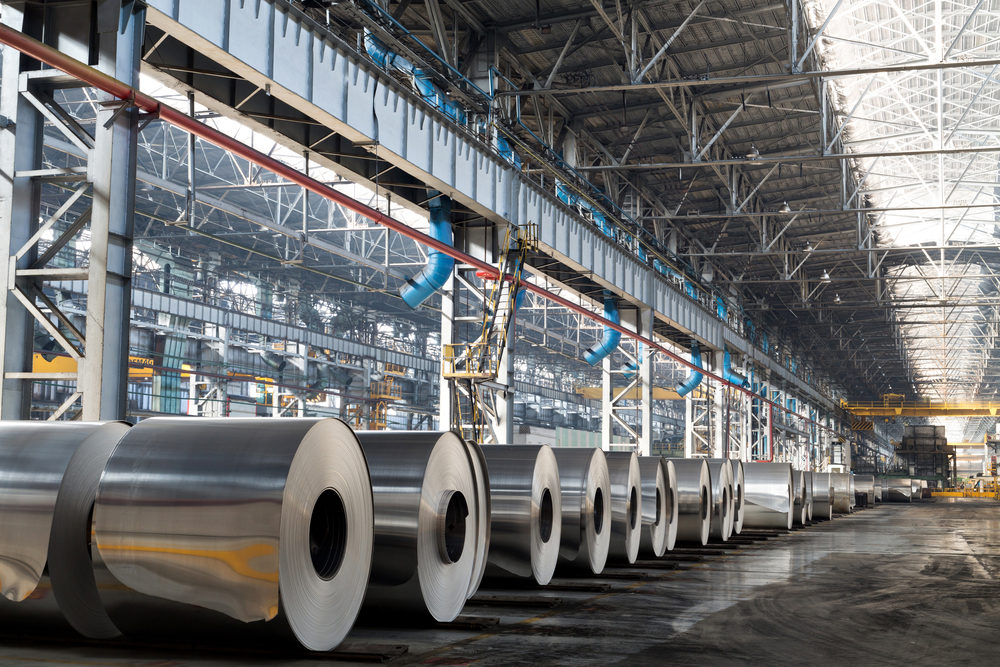
It is no secret even that under the best of circumstances, mining and refining core metals and materials to construct aluminum is a labor-intensive process that requires copious amounts of energy. In Europe, these processes were already under duress with the advent of the environmental movement and the strive towards cleaner and greener energy. However, this situation became exponentially more precarious by Russia’s invasion of Ukraine. Since then, an extremely difficult phase in the European aluminium industry has presented itself, as companies are trying to reopen smelters following the Covid-19 pandemic while respecting green initiatives and searching for alternatives to Russian fuel.
The High Cost Of Principle
Prior to Russia’s invasion of Ukraine, European dependence on Russian energy was high. For instance, roughly 45% of European refined gas imports alone came from Russia, not counting oil and natural gas. Since the invasion and the implementation of E.U. and U.N. sanctions, Europe has tried to wean itself off of Russian energy. For the winter of 2022 over to 2023, the primary concern in Europe was finding energy for basic necessities such as light and heating, and for powering essential services and businesses. However, since Europe has been mostly successful in finding alternate sources of energy, attention has turned to lifting restrictions, both self and governmentally imposed, on the aluminum industry.
Energy Expenses Abound in the Aluminum Industry
Even as industrial processes go, creating aluminum is an intricate and energy-consuming process. To create one tonne of aluminum requires 17 000 kWh of energy; an exorbitant sum for a continent that is now looking to conserve energy and also, to find and secure its next source.
This difficult phase for the European aluminum industry began with efforts to implement green initiatives and was only exacerbated by the Covid-19 pandemic and Russia’s invasion. Following these events, Europe’s aluminum industry began to shutter its smelters to save both energy and money. However, many European producers are looking to (tentatively) open their doors in 2024, as the demand for the product rises.
A Difficult Phase for the European Aluminum Industry Averted Through Green Initiatives
Currently, Europe has sought to diversify its energy consumption portfolio by weaning off Russian sources and relying on the United States for its supply. This means that aside from US sources of oil and gas, Europe will look to US allies such as Canada, Qatar, Niger, and Saudi Arabia for sources of oil and gas (albeit the last two have been somewhat problematic recently). Additionally, countries such as China and India have been increasingly sought out as energy suppliers. This is problematic as their carbon footprints, political ideologies, and governmental policies are often at odds with European values and procedures, creating an unstable and unreliable energy partnership.
Ironically, what may solve this difficult phase for the European aluminum industry are green initiatives. By transitioning to renewable sources of energy as quickly as possible (current estimates place the date at 2030 preliminary and 2050 decisively), Europe can eliminate its dependency on foreign energy sources in a way that’s renewable and sustainable. Staid renewable energy sources such as wind and solar, as well as new and innovative sources currently in development, can help Europe get its aluminum industry back on its feet.
For more information on this difficult phase for the European aluminum industry and its effect on world markets, or to inquire about our products and services, contact Mondi Aluminum today.