


Inflation, Recession, and the Aluminum Industry
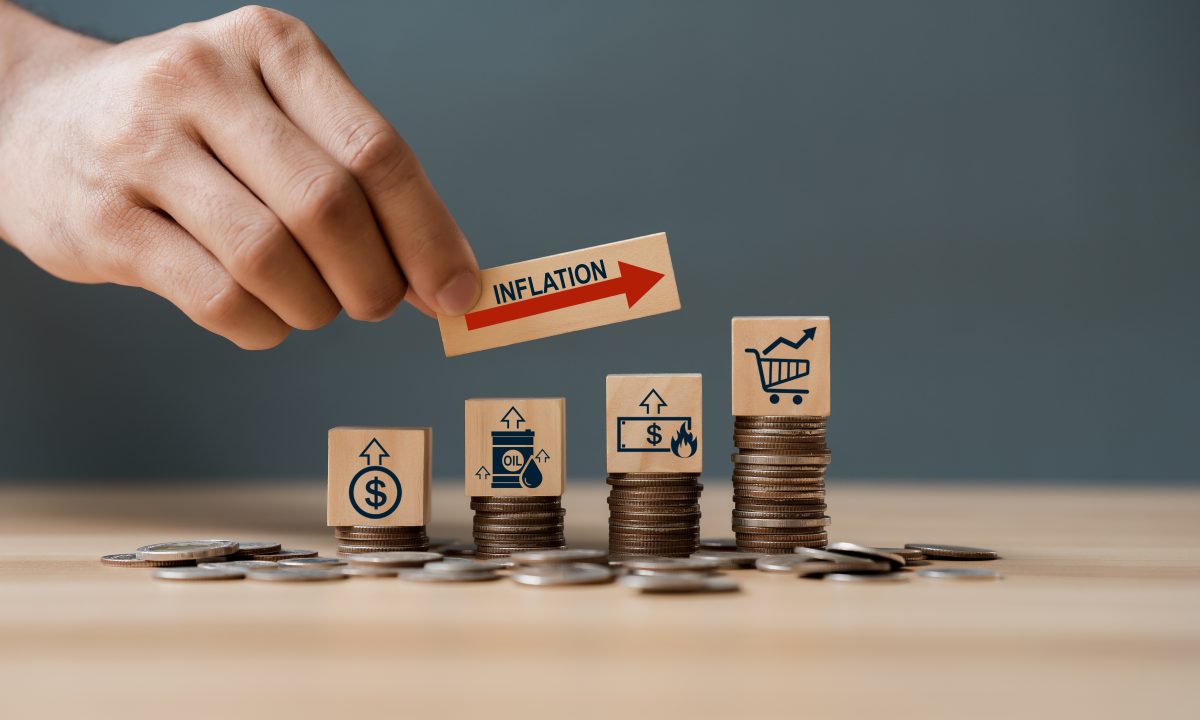
From food to clothing to gasoline, you’d have to have been living under a rock not to notice that everything has gotten exponentially more expensive in the last few years. The global aluminum industry has not been immune to this effect, experiencing price hikes and supply shortages in tandem with key sectors across the globe. This inflation has largely been driven by economic factors relating to pandemic recovery, including supply chain shortages and lack of manpower. Additionally, geopolitical crises in Europe and Asia threaten to disturb vital mining and manufacturing chains, as energy shortages disrupt manufacturing and production plants. To stay ahead of the curve, industry insiders need to understand the impact of inflation and recession on the aluminum industry.
Geopolitical Crises
It is not hyperbole to say that Russia’s invasion of Ukraine has smashed the post-Cold War world order, destroying decades-old political norms, economic relationships, and energy-supply chains. A long-standing supplier of energy to many European countries, Russia is now under unprecedented sanctions over its unjust and bloody war, plunging Europe and many parts of the world into an energy crisis as alternative sources of fuel are sought.
As well, bilateral trade between Russia and the West has all but halted, forcing many industries to open markets in new areas and find alternative sources for materials related to production. As Russia is the second biggest producer of aluminum in the world through the company RUSAL, Western markets must seek to adapt to a permanent disruption in trade and supply for the foreseeable future.
The world’s biggest producer of aluminum, China, still maintains strong economic ties with the West. However, that relationship is now being tested. China’s growing partnership with Russia creates pressure. Tensions between China and the United States over Taiwan add even more strain. If these tensions heighten or reach their boiling point, Western access to Chinese aluminum markets may be threatened. Now more than ever, geopolitical crises, inflation and recession are threatening the aluminum industry with severe shortages and price hikes.
The Economics of Inflation, Recession, and the Aluminum Industry
Even before the current geopolitical crises took hold, the industry was struggling. The aluminum sector was still reeling from Covid-19. Supply chain disruptions caused major delays. Many businesses could not finish their construction projects. Private homeowners faced the same issue for months.
Moreover, rising costs in transportation and a lack of manpower had prices for aluminum products soaring. Exacerbating this inflation is a potential global recession that economists fear may be looming around the corner. Altogether, the effects of pandemic-induced inflation and a potential global recession will not bode well for the aluminum industry.
Energy Crisis
Anybody watching gas prices has noticed a clear trend. Since the pandemic, fuel costs have risen every year. This increase is partly due to Covid-related inflation. The war in Ukraine also contributes to higher prices. Carbon taxes add another layer of cost. The push toward greener energy influences prices as well. This surge in energy prices affects the cost of everything from mining to manufacturing to transportation for the aluminum industry. Unfortunately, that will mean higher prices for aluminum products for the consumer.
The effects of inflation and recession on the aluminum industry can’t be understated or ignored. Contact Mondi Aluminum for more insight into how these changes can affect your project today.